Role of Teachers in Shaping a Student’s Future

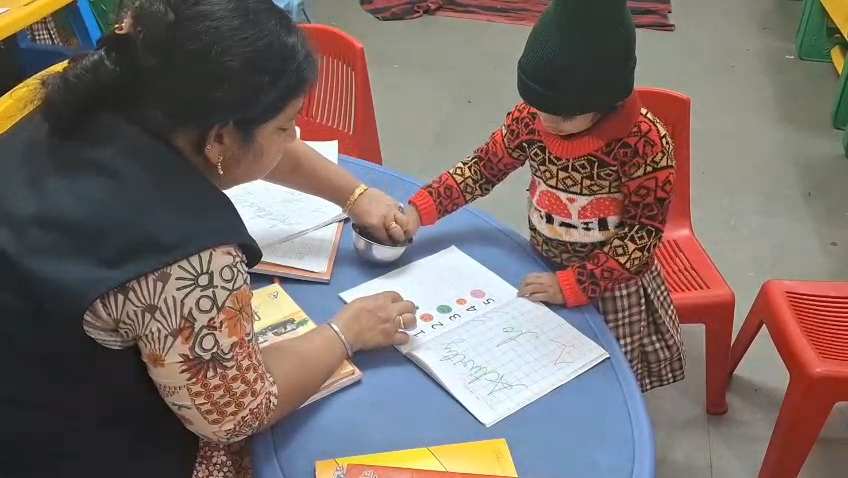
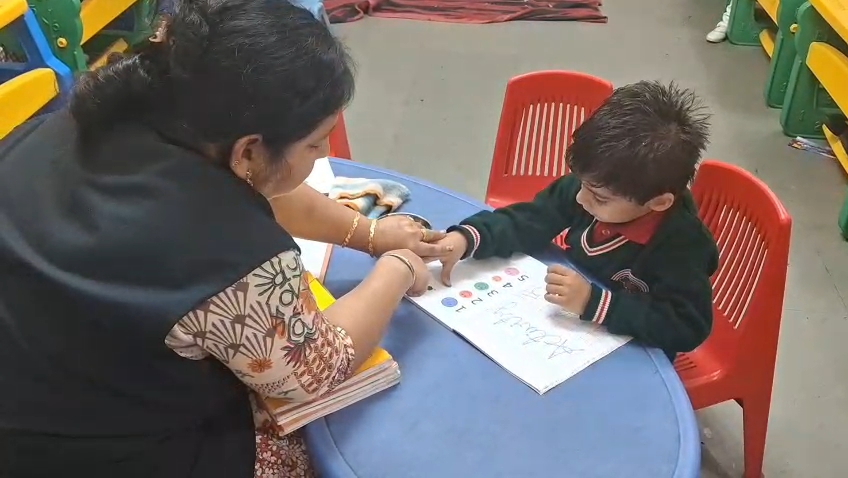
Teachers are the backbone of the education system and play a crucial role in shaping a student’s future. From the early years of schooling to higher classes, teachers influence students not only academically but also emotionally, socially, and morally. A teacher’s guidance, encouragement, and dedication can change the direction of a student’s life. In today’s competitive and fast-paced world, the role of teachers has become even more significant in preparing students for success and responsible citizenship.
Teachers as the Foundation of Education
Teachers lay the foundation of education by helping students understand basic concepts and gradually guiding them toward advanced learning. They make learning meaningful by explaining lessons in a simple and practical way. A strong academic base developed by teachers enables students to perform well in examinations and pursue higher education with confidence.
More importantly, teachers teach students how to think critically rather than just memorizing information. They encourage curiosity, questioning, and logical reasoning. These skills help students become independent learners who can adapt to new challenges throughout their lives.
Teachers as Role Models and Inspirations
Teachers are often the first role models students encounter outside their families. Students closely observe their teachers’ behavior, discipline, communication, and attitude toward work. A teacher who is honest, punctual, respectful, and passionate about teaching inspires students to develop similar qualities.
Many students remember their teachers long after leaving school because of the positive impact they had on their lives. A few words of appreciation or motivation from a teacher can inspire a student to aim higher and believe in themselves.
Emotional Support and Motivation
School life can be challenging for students as they deal with academic pressure, peer competition, and personal struggles. Teachers play an important role in supporting students emotionally. A caring teacher understands students’ feelings and helps them overcome fear, anxiety, and self-doubt.
When teachers motivate students during difficult times, they help build resilience and confidence. Emotional support from teachers creates a safe learning environment where students feel valued and encouraged to express themselves freely.
Identifying and Nurturing Individual Talents
Every student has unique abilities and interests. Some excel in academics, while others shine in sports, arts, music, or leadership. Teachers play a key role in identifying these talents and providing opportunities for students to develop them.
By encouraging students to participate in competitions, extracurricular activities, and creative projects, teachers help them discover their strengths. This guidance often influences career choices and helps students pursue their passions with confidence.
Building Character and Discipline
Education is not limited to textbooks; it also focuses on character building. Teachers instill values such as discipline, honesty, responsibility, and respect. Through daily interactions, classroom rules, and group activities, teachers teach students the importance of teamwork and ethical behavior.
A disciplined student learns time management, self-control, and accountability. These qualities are essential for success in both professional and personal life. Teachers help shape students into responsible individuals who contribute positively to society.
Teachers as Mentors and Career Guides
Teachers act as mentors who guide students in making important life decisions. They provide career counseling, help students set goals, and encourage them to explore different career paths. For many students, teachers are trusted advisors who offer valuable guidance during crucial stages of life.
A teacher’s advice can help students choose the right subjects, identify career opportunities, and prepare for future challenges. This mentorship often has a long-lasting impact on students’ lives.
Adapting to Modern Education and Technology
In the modern digital age, teachers play an important role in integrating technology into education. They help students use digital tools effectively, promote online research skills, and encourage responsible use of technology.
Teachers also focus on developing 21st-century skills such as creativity, collaboration, communication, and critical thinking. By adapting to new teaching methods and technologies, teachers ensure that students are prepared for a rapidly changing world.
Teachers and Social Development
Teachers help students develop social skills and learn how to interact with others. Through group discussions, debates, and team activities, students learn cooperation, leadership, and empathy. Teachers encourage respect for diversity and promote equality and inclusion within the classroom.
These social skills help students build healthy relationships and become confident individuals who can work effectively in different environments.
Long-Term Impact on Society
The influence of teachers extends beyond individual students to society as a whole. Teachers shape future leaders, professionals, and responsible citizens. The knowledge and values they impart help create a well-educated and ethical society.
A single dedicated teacher can positively impact hundreds of students throughout their career. This lasting influence makes teaching one of the most respected and powerful professions.
Conclusion
Teachers play an irreplaceable role in shaping a student’s future. They educate minds, nurture talents, provide emotional support, and build character. Through their dedication and guidance, teachers help students discover their potential and prepare them for life’s challenges. The impact of a good teacher lasts a lifetime, making teachers true architects of the future.